As an Amazon Associate I earn from qualifying purchases.
When it comes to landscape photography, having the right tools can make all the difference. The quest for the best wide angle lens for landscape photography is one that many photographers embark on, whether they are amateurs seeking to capture the beauty of nature or professionals trying to enhance their portfolios. A wide angle lens allows photographers to capture expansive vistas, artistically showcasing the breadth and beauty of the outdoors in a single shot. With these lenses, you can stretch the limits of reality, pulling in more of your scene and giving viewers a sense of being there. But not all wide angle lenses are created equal; factors like build quality, focal length, and aperture can greatly affect your results. Throughout this article, we will explore what a wide angle lens is, why it’s a vital tool for landscape photographers, and how to choose the best one for your needs.
| Photo | Product | Price | Rating | Link |
|---|---|---|---|---|
 |
Canon RF16mm F2.8 STM Lens, Ultra Wide-Angle, Fixed Focal Length Prime Lens, Compatible with EOS R Series Mirrorless Cameras, Black | $259.00 | 4.7★ | Check Price |
 |
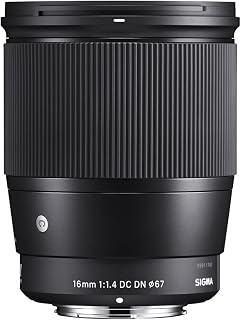
Sigma 16mm f/1.4 DC DN Contemporary Lens for Sony E (402965) Black | $414.00 | 4.8★ | Check Price |
 |
Altura Photo 58MM 0.43x HD Wide Angle Lens with Macro – Attaches to 58MM Filter Thread – DSLR Accessories for Canon Rebel T7, T7i, T8i, T6i, T6s, T6, SL2, SL3, EOS 70D, 77D, 80D, 90D | $29.98 | 4.2★ | Check Price |
What is a Wide Angle Lens?
A wide angle lens is a type of lens with a shorter focal length, typically ranging from 14mm to 35mm, which allows for a wider field of view compared to standard lenses. This means that you can capture more of the scene, making it ideal for landscapes, architecture, and other expansive subjects. The wide angle design not only includes more detail within the frame but also enhances depth perception, giving your photos a three-dimensional quality. This lens type is categorized into three main types: ultra-wide (14mm to 24mm), wide (24mm to 35mm), and wide-angle zoom lenses. Each of these categories serves different purposes depending on the scope and scale of the landscape you intend to photograph.
Why Use a Wide Angle Lens for Landscape Photography?
Using a wide angle lens for landscape photography opens up a world of creative possibilities. Firstly, it enables you to capture sweeping vistas that would be impossible with a standard lens. Imagine standing on the edge of a cliff, looking out over valleys and mountains; a wide angle lens would allow you to encapsulate everything in front of you in one magnificent frame, displaying the grandeur of the landscape. Secondly, these lenses are excellent for emphasizing foreground elements, which helps in creating depth in your compositions. This is essential in landscape photography, where the interaction between foreground, middle-ground, and background can lead to compelling images.
Moreover, wide angle lenses can be particularly advantageous when photographing in confined spaces. For example, if you’re capturing a dense forest or a narrow canyon, the wide angle allows you to take in the complete environment without stepping back or missing out on critical elements. Finally, the distortion often associated with wide angle lenses can be artistically utilized, facilitating dynamic landscape shots that draw viewers into the scene.
Key Features to Consider in a Wide Angle Lens
When searching for the best wide angle lens for landscape photography, there are several key features to consider:
1. Focal Length
The focal length of a lens determines the angle of view. For landscapes, lenses in the range of 16-35mm are often preferred. A shorter focal length, such as 16mm, offers an extremely wide view, while a 35mm lens may allow for more versatility in terms of framing without being overly distorting.
2. Aperture Size
Aperture influences both exposure and depth of field. A lens with a larger aperture (lower f-number, such as f/2.8) allows more light to enter, which is beneficial in low-light conditions, such as during dawn or dusk. However, smaller apertures (higher f-numbers) provide greater depth of field, keeping more elements in focus, which is crucial in landscape photography.
3. Lens Construction and Coatings
The build quality of a lens affects its durability and performance. High-quality glass elements reduce chromatic aberration, flare, and distortion, which ensures that your images remain crisp and vibrant. Additionally, specialized lens coatings can improve light transmission and reduce the impact of reflections.
4. Weight and Size
For landscape photography, a lightweight and compact design makes it easier to carry during long hikes. However, balance your desire for portability against the features you need.
Best Wide Angle Lens for Landscape Photography
When considering the best wide angle lens for your landscape photography needs, it’s essential to evaluate various factors including performance, compatibility with your camera body, and budget. Below, we’ll look at some top contender lenses that can elevate your landscape photography.
1. Canon EF 16-35mm f/2.8L III USM
This lens is favored among Canon shooters for its impressive build and optical performance. It delivers excellent sharpness across the zoom range and features advanced weather sealing, making it suitable for outdoor use. The constant f/2.8 aperture provides flexibility for shooting in varied lighting conditions.
2. Nikon AF-S NIKKOR 14-24mm f/2.8G ED
Renowned as one of the best ultra-wide angle lenses for Nikon cameras, this lens boasts exceptional sharpness and contrast. Its robust construction and weatherproof design ensure that you can use it in various environmental conditions.
3. Sony FE 16-35mm f/4 ZA OSS
For Sony mirrorless users, this lens is an excellent choice that offers a compact design without compromising on image quality. The steady image stabilization feature is particularly useful for shooting handheld under low-light conditions.
4. Fujifilm XF 10-24mm f/4 R OIS WR
For those with Fujifilm cameras, this lens offers a versatile zoom range with consistent f/4 aperture. Its weather resistance makes it a good choice for outdoor settings, capturing landscapes under diverse conditions.
Quick Comparison
For a clearer picture of the features and specifications of the above lenses, be sure to check out the comparison table listed in this article, where you can find detailed insights to help you decide the best fit for your needs.
Pros and Cons of Using Wide Angle Lenses
Pros
- Allows for capturing expansive scenes effortlessly.
- Enhances depth perception for more engaging compositions.
- Great for imaging in confined spaces.
- Creative distortion can be artistically leveraged.
Cons
- Can introduce distortion, particularly at the edges of frames.
- May require careful composition to avoid overly cluttered images.
- Some users may find wide angle lenses more challenging to use effectively.
FAQs
1. What is the best focal length for landscape photography?
The ideal focal length for landscape photography typically falls between 16mm and 35mm, as this range allows for capturing expansive views while maintaining a notable depth of field.
2. Do wide angle lenses distort images?
Yes, but not all distortion is undesirable. While wide angle lenses may introduce barrel distortion, this can sometimes be used creatively to enhance the sense of space in photographs.
3. Are prime or zoom wide angle lenses better for landscapes?
It often depends on the photographer’s needs. Prime lenses typically offer sharper images and better apertures, while zoom lenses provide flexibility in framing. Both can be effective in landscape photography.
4. Can I use a wide angle lens for other types of photography?
Absolutely! While they excel in landscape photography, wide angle lenses can also be used for architecture, interior shots, and even creative portraiture where you want to include environmental context.
Conclusion
Choosing the best wide angle lens for landscape photography can be a transformative experience, dramatically enhancing your ability to capture the beauty of nature. Each lens brings its unique attributes to the table, whether it’s the sharpness of images or the ability to emphasize vast landscapes. By understanding the features and benefits of wide angle lenses, photographers can select a model that fits their specific needs and style. The right lens opens up new avenues for creativity, helping you portray the stunning vistas in a way that resonates with your audience. As you embark on your photography journey, consider investing in a quality wide angle lens that suits your camera system and shooting preferences. It may very well be the catalyst that takes your landscape photography to new heights.
Canon RF16mm F2.8 STM Lens, Ultra Wide-Angle, Fixed Focal Length Prime Lens, Compatible with EOS R Series Mirrorless Cameras, Black
$259.00 — 4.7★ (1000 reviews)
Sigma 16mm f/1.4 DC DN Contemporary Lens for Sony E (402965) Black
$414.00 — 4.8★ (5300 reviews)
Altura Photo 58MM 0.43x HD Wide Angle Lens with Macro – Attaches to 58MM Filter Thread – DSLR Accessories for Canon Rebel T7, T7i, T8i, T6i, T6s, T6, SL2, SL3, EOS 70D, 77D, 80D, 90D
$29.98 — 4.2★ (8800 reviews)
FAQ
What is the best focal length for landscape photography?
The ideal focal length for landscape photography typically falls between 16mm and 35mm, as this range allows for capturing expansive views while maintaining a notable depth of field.
Do wide angle lenses distort images?
Yes, but not all distortion is undesirable. While wide angle lenses may introduce barrel distortion, this can sometimes be used creatively to enhance the sense of space in photographs.
Are prime or zoom wide angle lenses better for landscapes?
It often depends on the photographer's needs. Prime lenses typically offer sharper images and better apertures, while zoom lenses provide flexibility in framing. Both can be effective in landscape photography.
Can I use a wide angle lens for other types of photography?
Absolutely! While they excel in landscape photography, wide angle lenses can also be used for architecture, interior shots, and even creative portraiture where you want to include environmental context.
Choosing the best wide angle lens for landscape photography can be a transformative experience, dramatically enhancing your ability to capture the beauty of nature. Each lens brings its unique attributes to the table, whether it’s the sharpness of images or the ability to emphasize vast landscapes. By understanding the features and benefits of wide angle lenses, photographers can select a model that fits their specific needs and style. The right lens opens up new avenues for creativity, helping you portray the stunning vistas in a way that resonates with your audience. As you embark on your photography journey, consider investing in a quality wide angle lens that suits your camera system and shooting preferences. It may very well be the catalyst that takes your landscape photography to new heights.
Ready to elevate your landscape photography? Check out our recommended products to find the perfect wide angle lens that meets your needs and helps unleash your creativity!
2 thoughts on “Best Wide Angle Lens for Landscape Photography”