As an Amazon Associate I earn from qualifying purchases.
When it comes to capturing stunning portraits, the lens you choose plays a pivotal role in determining the quality of your images. Among various focal lengths available, the 50mm lens has long been a favorite for portrait photographers due to its versatility and ability to create a pleasing aesthetic. The best 50mm lens for portrait photography can make all the difference in achieving sharp, beautiful images with rich colors and remarkable depth of field. Whether you are a novice eager to improve your skills or a seasoned professional seeking the right gear, understanding the features and benefits of 50mm lenses is essential. In this comprehensive guide, we will explore why these lenses are ideal for portrait work, highlight top picks that photographers swear by, and provide tips for getting the most out of your photography sessions. Dive in and discover how the best 50mm lens for portrait photography can elevate your craft and enhance your creative journey.
| Photo | Product | Price | Rating | Link |
|---|---|---|---|---|
 |
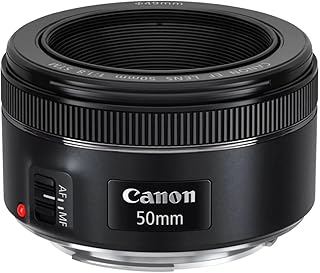
Canon EF 50mm f/1.8 STM Lens, Black, Compatible with Canon EOS DSLR Cameras | $169.00 | 4.8★ | Check Price |
 |
Canon RF50mm F1.8 STM Lens, Mirrorless Lens, Fixed Focal Length, Compatible with EOS R Series Mirrorless Cameras, Compact, Lightweight Design, Portraits, Landscapes, Photography, Black | $209.99 | 4.8★ | Check Price |
 |
Sony – FE 50mm F1.8 Standard Lens (SEL50F18F/2), Black | $248.00 | 4.7★ | Check Price |
Why Choose a 50mm Lens for Portraits?
The 50mm lens is often described as a ‘nifty fifty’ because of its unique position in the world of photography. One of the primary reasons this lens is a top choice for portrait photography is its natural perspective. Unlike wider or longer lenses, the 50mm provides a field of view that closely resembles how our eyes perceive the world. This results in images that feel authentic and relatable.
Another remarkable feature of 50mm lenses is their ability to produce creamy bokeh. This is essential for portrait artists looking to isolate subjects from the background, creating a professional look that emphasizes the model’s features while softening distracting elements around them. Additionally, most 50mm lenses come with a wide maximum aperture (commonly f/1.8 or f/1.4) which allows for beautiful background blur and exceptional performance in low-light settings—making these lenses incredibly versatile for various shooting situations.
Key Features to Look for in a 50mm Lens
When selecting the best 50mm lens for portrait photography, certain features should be prioritized:
Aperture
The maximum aperture of a lens is crucial as it determines how much light is allowed to enter and how shallow your depth of field can be. Lenses with f/1.4 or f/1.8 are optimal for portraits as they can isolate your subject beautifully, enhancing bokeh effects and allowing for shooting in lower light conditions.
Optical Quality
High-quality glass elements and coatings in a lens can significantly improve image quality, reducing chromatic aberration and distortion. Look for lenses that have good reviews regarding sharpness and contrast, especially if you intend to print large portraits.
Build Quality
Durability is also an essential factor—your lens should withstand regular use and various environments. Consider whether you need weather sealing or if a lightweight design is preferable for your shooting style. Some photographers opt for metal mounts over plastic for added sturdiness.
Autofocus System
Fast and accurate autofocus can save you time and ensure sharp images when photographing moving subjects. A lens with silent autofocus motors is especially desirable when working in quiet settings or events.
Top Picks for the Best 50mm Lens for Portrait Photography
Based on our analysis of the most popular and reliable options available, here are some of the top choices that stand out among photographers:
Canon EF 50mm f/1.8 STM
This budget-friendly lens is light, compact, and ideal for those starting in portrait photography. Its impressive f/1.8 aperture allows for beautiful background blur and excellent low-light performance, making it a staple in many photographers’ bags.
Nikon AF-S Nikkor 50mm f/1.8G
With its superb optics and solid build quality, this lens delivers excellent sharpness and contrast. The f/1.8 aperture is perfect for portraits, and its lightweight design makes it a favorite among traveling photographers.
Sony FE 50mm f/1.8
Designed for Sony full-frame cameras, this lens offers superb image quality with an impressive f/1.8 aperture. Its compact design and reliable autofocus make it a versatile choice for portrait work, even in low light.
Sigma 50mm f/1.4 DG HSM Art
For those serious about their portrait work, the Sigma Art series lens is a top contender. With its fast f/1.4 aperture, outstanding image quality, and beautiful bokeh, it’s no wonder why this lens is favored by professionals.
Tamron SP 45mm f/1.8 Di VC USD
This lens offers a slightly different focal length but is still a spectacular choice for portraitists. It provides excellent sharpness and image stabilization, which is helpful for handheld shots in lower lighting conditions.
Quick Comparison of the Best 50mm Lenses
A detailed comparison table of our top picks is available later in this article, summarizing their key features and specifications for easy reference.
Pros and Cons of 50mm Lenses for Portraits
Pros
- Natural Perspective: Provides a familiar angle, resembling the human eye.
- Excellent Bokeh: Wider apertures create beautiful background blur.
- Versatile Usage: Ideal for portraits and various other photography types, including street and event photography.
- Affordability: Many high-quality options available at reasonable prices.
- Lightweight: Typically lighter and more compact than other prime lenses.
Cons
- Fixed Focal Length: Lack of zoom can be limiting in some shooting scenarios.
- Close Focusing Limitations: Less effective for macro photography due to minimum focusing distance.
Tips for Using a 50mm Lens in Portrait Photography
To get the most out of your 50mm lens, consider these helpful tips:
Find the Right Distance
Understanding the optimal distance between you and your subject is key to ensuring flattering perspectives. Standing too close can cause distortion, while shooting from too far can lose the connection between the subject and the background.
Utilize Natural Light
50mm lenses often excel in natural light conditions. Position your subject near windows or outdoors during golden hour to take advantage of the warm and soft lighting, which is especially flattering for portraits.
Experiment with Angles
Don’t be afraid to change your angles. Moving around your subject can help capture the most dynamic and interesting shots. Try shooting from above or below eye level to create different perspectives that add character to your compositions.
Practice Depth of Field Control
Using the lens’s wide aperture allows for a shallow depth of field, making your model stand out. Practice focusing on their eyes to create that captivating sharpness that portrait enthusiasts seek.
Common Mistakes to Avoid
Even seasoned photographers can find themselves making mistakes. Be aware of these common pitfalls:
Overlooking the Background
A cluttered background can distract from your subject. Always consider what’s behind your model. An uncluttered space enhances the portrait’s impact.
Not Paying Attention to Lighting
Lighting is everything in photography. Poorly lit portraits can lead to unflattering images. Always strive for good lighting and take time to find the right setup.
Ignoring Composition
Just like background and lighting, composition matters. Follow rules like the rule of thirds, leading lines, or simply filling the frame to create compelling images. Don’t forget to include both negative and positive space effectively.
Frequently Asked Questions
- What is the best aperture for portrait photography with a 50mm lens?
The best aperture for portrait photography with a 50mm lens is typically between f/1.4 and f/2.8, depending on the effect you want to achieve. - Can I use a 50mm lens for other types of photography?
Absolutely! A 50mm lens is versatile and works well for street photography, product photography, and even landscape shots. - Are 50mm lenses good for low light photography?
Yes, due to their larger apertures, 50mm lenses are excellent in low light conditions, allowing you to capture sharp images with less noise. - What is the difference between a 50mm f/1.8 and a 50mm f/1.4 lens?
The main difference lies in their maximum aperture—f/1.4 allows more light, providing better low-light performance and a pronounced bokeh effect compared to f/1.8.
Canon EF 50mm f/1.8 STM Lens, Black, Compatible with Canon EOS DSLR Cameras
$169.00 — 4.8★ (18400 reviews)
Canon RF50mm F1.8 STM Lens, Mirrorless Lens, Fixed Focal Length, Compatible with EOS R Series Mirrorless Cameras, Compact, Lightweight Design, Portraits, Landscapes, Photography, Black
$209.99 — 4.8★ (3200 reviews)
Sony – FE 50mm F1.8 Standard Lens (SEL50F18F/2), Black
$248.00 — 4.7★ (1600 reviews)
FAQ
What is the best aperture for portrait photography with a 50mm lens?
The best aperture for portrait photography with a 50mm lens is typically between f/1.4 and f/2.8, depending on the effect you want to achieve.
Can I use a 50mm lens for other types of photography?
Absolutely! A 50mm lens is versatile and works well for street photography, product photography, and even landscape shots.
Are 50mm lenses good for low light photography?
Yes, due to their larger apertures, 50mm lenses are excellent in low light conditions, allowing you to capture sharp images with less noise.
What is the difference between a 50mm f/1.8 and a 50mm f/1.4 lens?
The main difference lies in their maximum aperture—f/1.4 allows more light, providing better low-light performance and a pronounced bokeh effect compared to f/1.8.
In conclusion, the best 50mm lens for portrait photography is not just about the specs but also about how well it fits your shooting style and creative vision. The beauty of a 50mm prime lens lies in its ability to deliver stunning portraits with depth, clarity, and character. Whether you are making intimate portraits or capturing spontaneous moments, this lens offers the versatility needed. Remember to consider factors such as aperture, build quality, and optical performance when selecting your lens. Investing in a high-quality 50mm lens could significantly elevate your photography. Exploring the recommended lenses in this article could help you choose the perfect fit for your next photo session. Happy shooting!
Explore our recommended products to find the perfect 50mm lens for your portrait photography needs today!
4 thoughts on “The Best 50mm Lens for Portrait Photography: A Comprehensive Guide”