As an Amazon Associate I earn from qualifying purchases.
When it comes to capturing breathtaking images, the choice of a lens can profoundly impact your photography experience, especially for mirrorless camera enthusiasts. If you’re on the lookout for the best prime lens for your mirrorless camera, you’re in the right place. Prime lenses, known for their fixed focal lengths, offer unparalleled optical quality and a unique perspective that can elevate your shots to a professional level. Whether you’re shooting portraits, landscapes, or street photography, the right prime lens can provide sharp, vibrant images that make your creative vision come alive. In this comprehensive guide, we will explore the reasons why prime lenses are an excellent choice for mirrorless cameras, the essential features to look for, and a curated selection of top recommendations tailored to different photography styles and budgets. This information will help you confidently select a lens that aligns with your artistic goals, taking your photography to the next level. Let’s dive into the world of prime lenses and discover the best options available to enhance your photography journey.
| Photo | Product | Price | Rating | Link |
|---|---|---|---|---|
 |
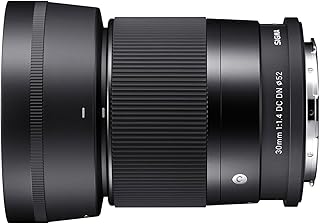
Sigma 30mm F1.4 Contemporary DC DN Lens for Sony E | $344.00 | 4.8★ | Check Price |
 |
Canon RF35mm F1.8 IS Macro STM Lens, Black, Compatible with EOS R Series Mirrorless Cameras | $499.00 | 4.8★ | Check Price |
 |
TTArtisan AF 27mm F2.8 XF-Mount APS-C Auto Focus STM Lens for Fujifilm Fuji X-Mount Cameras | $159.99 | 4.5★ | Check Price |
Why Choose a Prime Lens for Mirrorless Cameras?
Prime lenses are often celebrated for their simplicity and effectiveness. Unlike zoom lenses, which can cover various focal lengths, a prime lens has a fixed focal length, compelling photographers to engage more actively with their composition. This challenge encourages creativity, pushing you to rethink how you frame a shot.
Moreover, prime lenses typically offer superior image quality due to fewer optical elements, leading to less distortion and enhanced sharpness in your photographs. The larger maximum apertures found in many prime lenses also allow for better low-light performance and create beautifully blurred backgrounds—ideal for portrait photography.
Benefits of Using a Prime Lens
Investing in a prime lens for your mirrorless camera comes with several noteworthy benefits:
1. Superior Optical Quality
One of the primary advantages of prime lenses is their optical superiority. With a simpler design than zoom lenses, prime lenses often provide sharper images, better contrast, and less chromatic aberration. For example, lenses like the 50mm f/1.8 or 35mm f/1.4 are popular among both amateurs and professionals due to their ability to render stunningly clear images.
2. Wider Aperture Options
Many prime lenses feature wider maximum apertures (such as f/1.4 or f/1.8), allowing more light to hit the sensor. This capability not only improves performance in dim lighting conditions but also enables photographers to create a shallow depth of field for beautiful bokeh effects, essential for portrait shots. For instance, using an f/1.8 lens, you can easily isolate your subject from the background, giving it a professional touch.
3. Compact and Lightweight Design
Prime lenses are generally smaller and lighter than their zoom counterparts. This compactness makes them ideal for travel photographers or anyone looking to minimize the bulk of their gear without sacrificing quality. A 35mm or 50mm prime lens can easily fit in a small bag, allowing you to carry it on all your adventures.
4. Encourages Learning and Creativity
Because prime lenses have a fixed focal length, they force photographers to adapt their shooting techniques. You’ll find yourself moving closer or further away from your subject to frame your compositions, enhancing your understanding of perspective and composition. This active engagement with the subject can lead to more thoughtful and impactful images.
Key Features to Consider When Choosing a Prime Lens
Selecting the best prime lens for your mirrorless camera involves considering several key features:
1. Focal Length
The focal length determines how much of a scene will fit into the frame. Popular prime lens focal lengths include 24mm (wide), 35mm (standard), 50mm (portrait), and 85mm (tight portrait). Your choice should align with your photography style—wide angles for landscapes and tight lenses for portraits.
2. Aperture Size
Look for lenses with larger maximum apertures if you frequently shoot in low-light environments or want to achieve shallow depth of field effects. A lens with an f-stop of f/1.4 will allow for creative shooting in dark places, unlike higher f-stop lenses.
3. Autofocus vs. Manual Focus
While most modern prime lenses come with autofocus capabilities, manual focus may still be beneficial—especially for video shooting or specific focusing techniques in photography. Choose a lens that offers a balance between manual and automatic options to suit your workflow.
4. Build Quality
Depending on your shooting environment, you may need a lens that can withstand various conditions. Look for lenses with weather-sealing and robust construction, especially if you plan on using them outdoors frequently.
Top Choices for the Best Prime Lens for Mirrorless Cameras
Here are some exceptional prime lenses worth considering for your mirrorless setup, suitable for various types of photography:
1. Canon RF 50mm f/1.8 STM
This lens is a fantastic option for Canon mirrorless users looking for an affordable and versatile prime lens. Its lightweight design makes it a perfect companion for street photography, while the f/1.8 aperture ensures impressive low-light performance.
2. Sony FE 50mm f/1.8
A great value for Sony users, this prime lens provides a nice balance of quality and affordability. With image stabilization features, it’s perfect for capturing crisp images in challenging lighting conditions.
3. Fujifilm XF 35mm f/1.4 R
For photographers who favor the Fujifilm system, the XF 35mm f/1.4 R lens is a stellar choice. Known for its creamy bokeh and sharpness, it’s excellent for portrait, street, and general photography.
4. Olympus M.Zuiko Digital ED 45mm f/1.8
Micro Four Thirds shooters will appreciate the compactness and quality of this lens. It produces stunning images with a pleasing bokeh, ideal for portrait photography.
Quick Comparison
For a quick overview, check out the comparison table of the top prime lenses for mirrorless cameras included in this article.
Pros and Cons of Prime Lenses
Pros
- Superior image quality and sharpness.
- Wider maximum aperture for better low-light performance.
- Lighter and more compact than zoom lenses.
- Encourages creativity and better composition skills.
Cons
- Fixed focal length can be challenging for some compositions.
- Less versatility compared to zoom lenses.
- Can be more expensive for higher-end options.
FAQ
-
What is the advantage of using a prime lens over a zoom lens?
Prime lenses typically offer superior image quality, faster apertures, and a lighter weight. They challenge photographers to think creatively about composition due to their fixed focal lengths.
-
Are prime lenses better for low-light photography?
Yes, many prime lenses feature wider apertures than zoom lenses, allowing for better performance in low-light conditions.
-
Can I use a prime lens for video?
Absolutely! Many videographers prefer prime lenses for their sharpness and ability to create shallow depth of field for cinematic looks.
-
What focal length is best for portrait photography?
Typically, a focal length between 50mm and 85mm is preferred for portraits, as it provides natural-looking results while allowing for beautiful background blur.
Sigma 30mm F1.4 Contemporary DC DN Lens for Sony E
$344.00 — 4.8★ (4800 reviews)
Canon RF35mm F1.8 IS Macro STM Lens, Black, Compatible with EOS R Series Mirrorless Cameras
$499.00 — 4.8★ (1300 reviews)
TTArtisan AF 27mm F2.8 XF-Mount APS-C Auto Focus STM Lens for Fujifilm Fuji X-Mount Cameras
$159.99 — 4.5★ (124 reviews)
FAQ
What is the advantage of using a prime lens over a zoom lens?
Prime lenses typically offer superior image quality, faster apertures, and a lighter weight. They challenge photographers to think creatively about composition due to their fixed focal lengths.
Are prime lenses better for low-light photography?
Yes, many prime lenses feature wider apertures than zoom lenses, allowing for better performance in low-light conditions.
Can I use a prime lens for video?
Absolutely! Many videographers prefer prime lenses for their sharpness and ability to create shallow depth of field for cinematic looks.
What focal length is best for portrait photography?
Typically, a focal length between 50mm and 85mm is preferred for portraits, as it provides natural-looking results while allowing for beautiful background blur.
Choosing the best prime lens for your mirrorless camera can significantly shape your photographic journey. Whether you are a casual shooter or a seasoned professional, upgrading to a prime lens opens up a world of creative possibilities. The lenses listed in this guide cater to various styles, preferences, and budgets, ensuring that every photographer can find a suitable option for their needs. From superior sharpness and low-light performance to the challenge of engaging composition, prime lenses offer a unique edge that can enhance your images meaningfully. With a prime lens in your bag, you’re better equipped to capture stunning visuals, regardless of the setting. Take the time to consider your photographic goals and the type of work you love to create, and you’ll find that the right lens can elevate your photography to new heights.
Ready to find the perfect prime lens for your mirrorless camera? Check out the recommended products in our comparison table and take your photography to the next level!
3 thoughts on “Best Prime Lens for Mirrorless Cameras”